
Creating a revocable living trust is an important estate planning step, but signing the trust agreement is not the end of the process. The trust must also be funded. Funding means transferring appropriate assets into the name of the trust or coordinating beneficiary designations so the assets pass according to the overall estate plan.
When an asset is left outside the trust, the trust generally does not control that asset simply because the owner intended to include it. What happens next depends on how the asset is titled, whether it has a beneficiary designation, and what the owner's will provides.
The Asset May Have to Go Through Probate
An asset owned solely in your individual name, without a valid beneficiary designation or survivorship arrangement, will usually become part of your probate estate when you die. Probate is the court supervised process used to identify assets, address valid debts and expenses, and distribute the remaining property.
This means your family may need to open a probate administration even though you created a trust specifically to avoid probate.
For example, probate may be required if you purchased a new property but never recorded a deed transferring it to the trust, opened a bank or brokerage account in your individual name, or acquired a business interest without assigning it to the trust.
A Pour Over Will Can Help, but It Does Not Avoid Probate
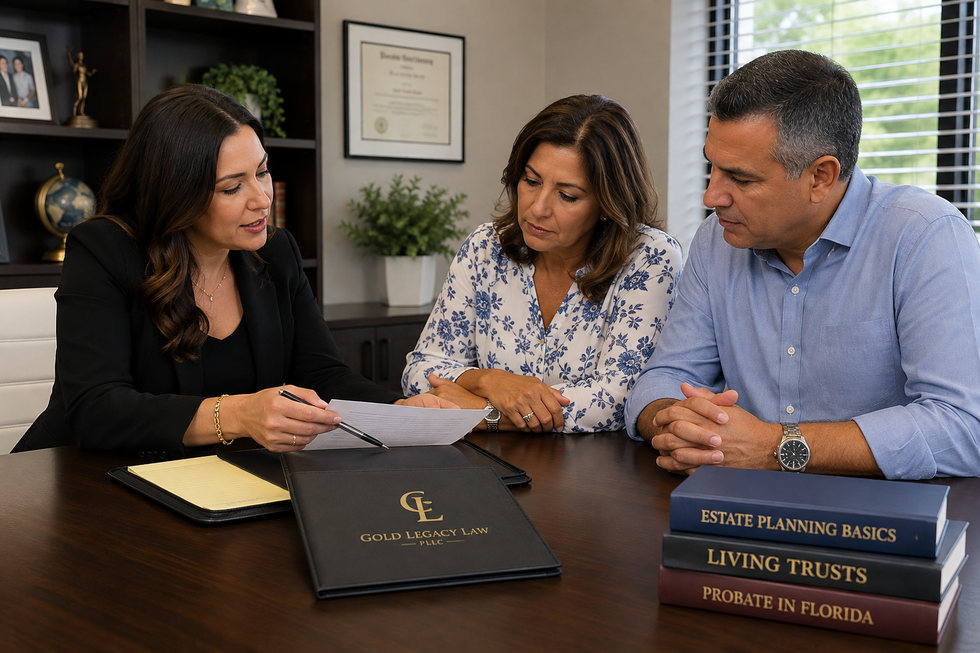
A well coordinated trust plan commonly includes a pour over will. This type of will directs the personal representative to transfer remaining probate assets into the trust after death. Florida law recognizes a devise from a will to the trustee of an existing written trust.
The pour over will acts as a backup, but it is not a substitute for funding the trust. The forgotten asset must still pass through probate before it can be transferred to the trustee. That can add court filings, legal expenses, creditor procedures, and delays that proper funding may have prevented.
If there is no valid pour over will, the asset may pass under another provision of the will or under Florida's intestacy laws. The result may differ significantly from the distribution plan written into the trust.
Some Assets May Pass Outside Both Probate and the Trust
Not every asset left outside a trust requires probate. Jointly owned assets with survivorship rights and accounts with valid payable on death, transfer on death, or beneficiary designations may pass directly to the surviving owner or named beneficiary.
However, that does not necessarily mean the estate plan worked as intended. A beneficiary designation can override the trust's distribution instructions for that particular asset. The beneficiary may receive the property outright, even if the trust was designed to hold it for a child, provide continuing protection, or divide it among several family members.
Can a General Assignment Fix the Problem?
Many trust plans include an assignment of tangible personal property. This may help transfer certain household items or personal belongings that do not have formal title documents. It usually does not replace the steps required to transfer real estate, financial accounts, vehicles, business interests, or other titled property.
Similarly, listing an asset on a trust schedule may not complete the transfer when a deed, account registration, assignment, or beneficiary form is required. The ownership records must be reviewed.
Review Your Trust Funding Regularly
Trust funding is not a one time event. New accounts and property acquired after the trust is created can easily be overlooked. Common problems include signing a trust without transferring assets, forgetting newly acquired property, and failing to coordinate beneficiary designations.
I encourage clients to review their estate plans after purchasing real estate, opening major financial accounts, starting a business, receiving an inheritance, or experiencing a major family change.
At Gold Legacy Law, PLLC, I draw on more than twelve years of experience in estate planning, probate, trust administration, guardianship, and asset protection. My administration work allows me to see how small ownership mistakes can create unnecessary complications after death. I help individuals and families in Miami Lakes and throughout South Florida coordinate their trust documents with the way their assets are actually owned.
A trust is most effective when the legal documents and asset titles work together. If you are unsure whether your home, accounts, business interests, digital assets, or other property have been properly transferred, a Miami Lakes Florida trust attorney can review your plan and help correct funding gaps before they become probate problems. Call us today at 305-556-5209!
Disclaimer: This article is provided for informational purposes only and does not constitute legal advice. Reading this content does not create an attorney-client relationship between you and Gold Legacy Law. For legal advice regarding your personal situation, please contact our office to schedule a consultation.
