
Many people think their assets will automatically go to the “right people” if they die without a will. But in Florida, that's not how it works. If you die without a valid will, your estate is handled by the state's intestacy laws—not your preferences or your family's expectations.
As a Florida estate planning attorney, I see families struggle every year because a loved one didn't take the time to create a will or trust. Here's what really happens if you die without a will—and how to avoid leaving a legal mess behind.
What Does "Dying Intestate" Mean?
If you pass away without a will, it's called dying intestate. In this case, your assets are distributed according to Florida's intestate succession laws.
This means the probate court follows a strict legal formula to determine who inherits your estate. Your verbal wishes, handwritten notes, or informal arrangements don't count under Florida law.
Who Inherits If There's No Will?
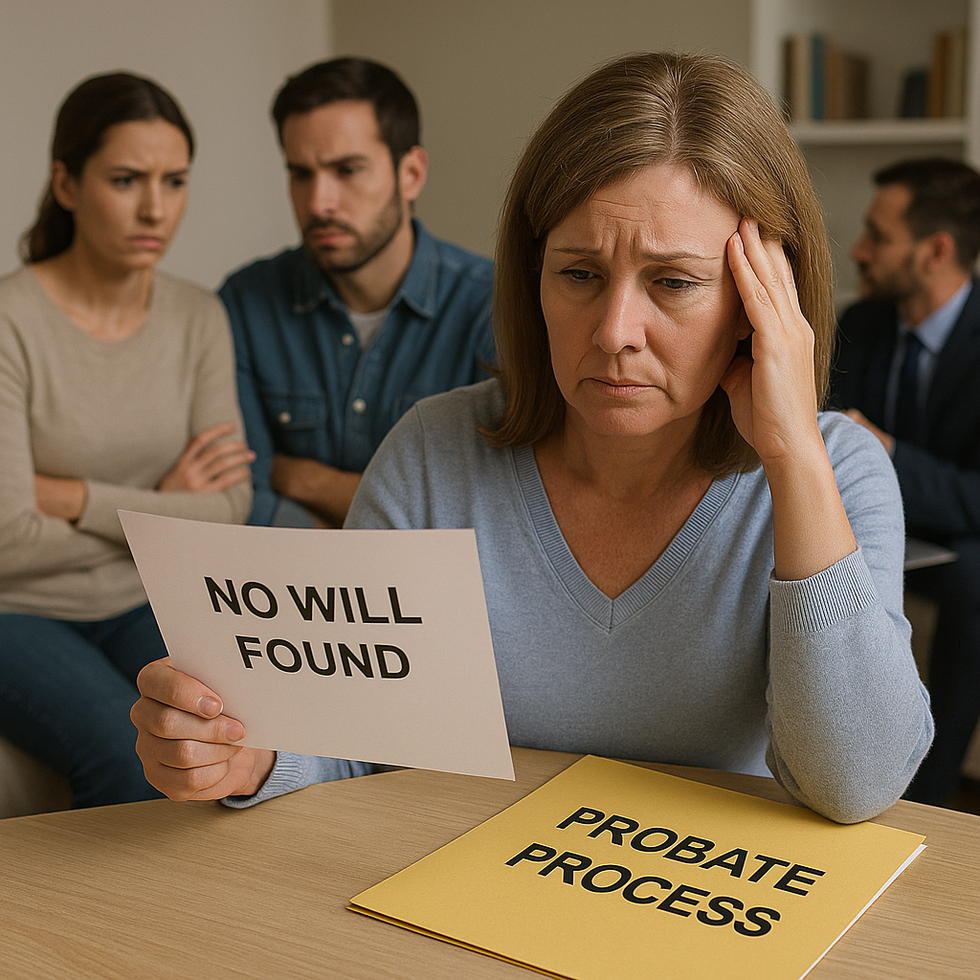
Here's a basic overview of how Florida intestate succession works:
Married, No Children:
Your spouse inherits 100% of your estate.
Married, Children from That Marriage:
Your spouse still inherits everything.
Married, Children from Another Relationship:
Your spouse and your children split the estate—even if they've never met.
Unmarried, With Children:
Your children inherit everything equally.
No Spouse or Children:
Your parents inherit. If they are deceased, it goes to your siblings, then nieces and nephews, and so on.
If You Have No Living Relatives?
Your property escheats to the State of Florida.
What Doesn't Happen Automatically
Many people assume:
-
Their long-term partner will automatically inherit
-
Their kids can just “take over” the house or business
-
Their family will know what to do
Reality check: Without a will or trust:
-
Unmarried partners get nothing under Florida law
-
Bank accounts, real estate, and business assets can be frozen
-
The court appoints a personal representative, which may not be who you would choose
-
Family disagreements often turn into legal battles
Additional Problems Without a Will
When you die without a will:
-
Your estate must go through probate
-
There is no nominated guardian for minor children
-
You can't leave anything to friends, stepchildren, or charities
-
You lose control over how and when your assets are distributed
Probate without a will is often slower, more expensive, and more stressful than when there's a clear estate plan.
Common Misconceptions
- “I don't have much, so I don't need a will.”
Even small estates need proper distribution—especially real estate, vehicles, or retirement accounts.
- “Everything goes to my spouse anyway.”
Not always true—especially if you have children from another relationship.
- “My family knows what I want.”
Even if they do, the law may not allow it without legal documents in place.
The Solution: Create a Will or Trust
The good news? These problems are easily avoided with a simple estate plan.
A valid Last Will and Testament lets you:
- Decide who gets your property
- Appoint a guardian for minor children
- Choose your personal representative
- Leave gifts to friends, charities, or others
- Reduce confusion and prevent disputes
Better yet, a revocable living trust can help your estate avoid probate entirely.
Final Thoughts: Don't Leave It to the State
Without a will, the court—and the law—will make decisions for you. That might mean disinheriting loved ones, delaying access to assets, or creating family conflict.
At Gold Legacy Law, we help Florida families avoid this uncertainty with clear, affordable estate plans. Whether you're just starting or updating an old will, we make the process simple.
📞 Call today to protect your legacy—on your terms.
Disclaimer: This article is provided for informational purposes only and does not constitute legal advice. Reading this content does not create an attorney-client relationship between you and Gold Legacy Law. For legal advice regarding your personal situation, please contact our office to schedule a consultation.
