
Timeshares are extremely common in Florida, and many families are surprised to learn that timeshares can complicate estate planning and probate. While a timeshare may seem like a small or secondary asset, it often carries ongoing obligations such as maintenance fees, taxes, and assessments. These obligations continue even after the owner passes away.
This is why thoughtful Florida timeshare estate planning is important. With the help of a Miami Lakes Lawyer, families can prevent unwanted financial burdens and simplify the future transfer of ownership.
Why Timeshares Cause Issues in Florida Probate
Timeshares are often considered real property or contractual property depending on how they were purchased. Some are deeded, meaning the owner holds legal title. Others are right to use contracts that behave more like club memberships.
In both cases, the company managing the timeshare usually requires continued annual maintenance payments. When an owner dies, unpaid fees can accumulate quickly. Heirs may mistakenly believe they must accept the timeshare as part of the estate even if they do not want it.
A Miami Lakes Lawyer can help families understand that heirs are never forced to inherit a timeshare if proper legal steps are taken.
Can a Timeshare Be Inherited
Yes, but inheriting a timeshare is optional. If a timeshare has value or sentimental meaning, a beneficiary may choose to accept it. However, accepting it also means accepting the ongoing cost obligations.
If no one wants it, the estate may attempt to sell it, transfer it back to the resort if allowed, or allow a beneficiary to disclaim the interest. A disclaimer lets an heir legally refuse the asset so it passes to the next beneficiary or back into the estate without obligation.
This is one area where guidance from a Miami Lakes Lawyer is especially useful.
Keeping a Timeshare Out of Florida Probate
Probate can be costly and time consuming when real property is involved. A deeded timeshare located in Florida may require a separate ancillary probate if the owner lived in another state. To avoid this, many families plan ahead using:
A revocable living trust
Transferring the timeshare into a trust prevents probate and keeps management simple after death.
A transfer on death deed if applicable
Some counties allow enhanced life estate deeds for timeshares, depending on how the property is titled.
Proper beneficiary designations for non deeded timeshares
Vacation clubs and point based systems may allow direct beneficiary assignments.
Any of these strategies can reduce stress for heirs. A Miami Lakes Lawyer can evaluate the exact structure of the timeshare and recommend the best planning approach.
Selling or Giving Away a Timeshare Before Death
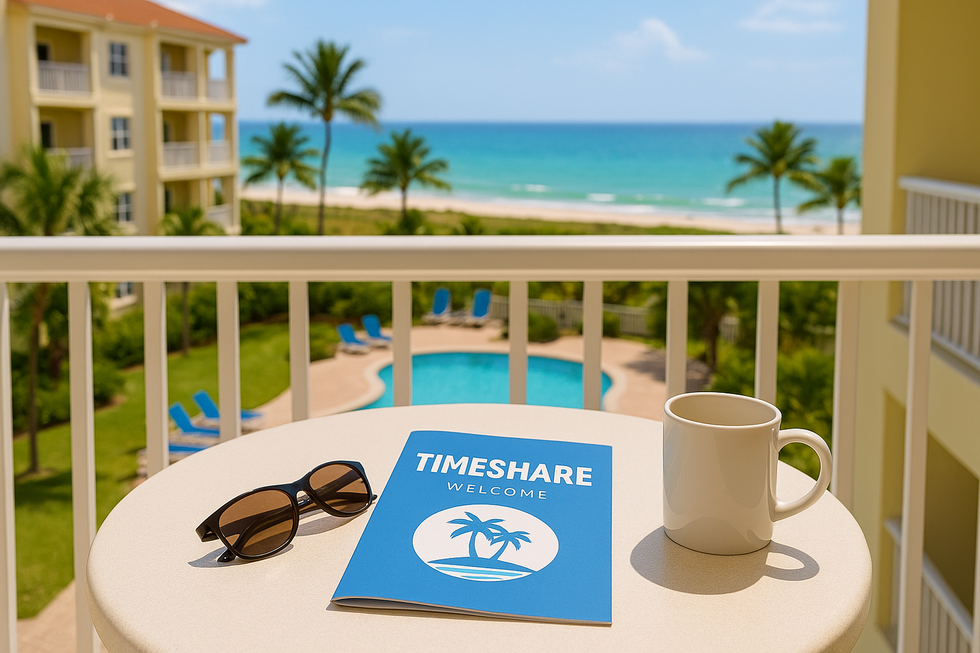
Many owners decide they no longer use the timeshare and want to clean up their estate while alive. Options include:
• Selling the timeshare on a resale marketplace
• Asking the resort if they allow a deed back program
• Gifting the timeshare to a family member who wants it
• Even donating it in limited circumstances
However, timeshare resale markets can be unpredictable. Planning with professional guidance ensures the owner does not unknowingly enter a scam or transfer responsibility improperly.
What Happens If a Timeshare Is Left Unplanned
If a timeshare is not addressed in an estate plan, the personal representative must manage it during probate. This includes paying ongoing fees, responding to the resort, and deciding if the estate will transfer or disclaim the asset.
Without planning, the estate may face unnecessary costs or delays. Beneficiaries may also struggle to understand their legal options.
A Miami Lakes Lawyer ensures that the estate plan clearly states whether the timeshare should be transferred, sold, or declined.
Smart Timeshare Planning for Florida Families
Timeshares can be enjoyable but should never become a burden for loved ones. Good planning prevents unwanted expenses and ensures the timeshare passes only to those who actively want it. Whether the goal is to keep the property in the family or remove it from future obligations, early planning is key.
A Miami Lakes Lawyer can review deed types, contract terms, annual fees, and long term obligations to help craft an estate plan that protects both the owner and the heirs.
Disclaimer: This article is provided for informational purposes only and does not constitute legal advice. Reading this content does not create an attorney-client relationship between you and Gold Legacy Law. For legal advice regarding your personal situation, please contact our office to schedule a consultation.
