
One of the most common questions I receive after someone passes away is:
"Where do we get a copy of their trust?"
Many people assume a trust is filed with the courthouse, recorded with the county, or registered with the State of Florida. Unlike a will, which often becomes part of a probate court file, a revocable living trust is generally a private document.
As a Miami Lakes trust attorney, I often explain that this privacy is actually one of the greatest benefits of creating a revocable living trust. However, it can also leave family members wondering where to look when a loved one dies.
Is a Florida Revocable Living Trust Recorded?
In most cases, no.
A revocable living trust is generally not recorded in the county's public records simply because it exists.
There are limited circumstances where a document related to the trust may be recorded, for example, when real estate is transferred into the trust by recording a deed. However, the deed typically references the trust without revealing the trust's terms or requiring the trust agreement itself to become public.
This allows families to maintain significantly more privacy than assets that pass through probate.
Is a Florida Trust Registered With the Court?
Generally, no.
Unlike corporations, LLCs, or certain business entities, a revocable living trust is not ordinarily registered with the State of Florida or filed with the local clerk of court simply because it was created.
This means there is usually no public database where someone can search for an existing trust.
So Where Is the Trust Kept?
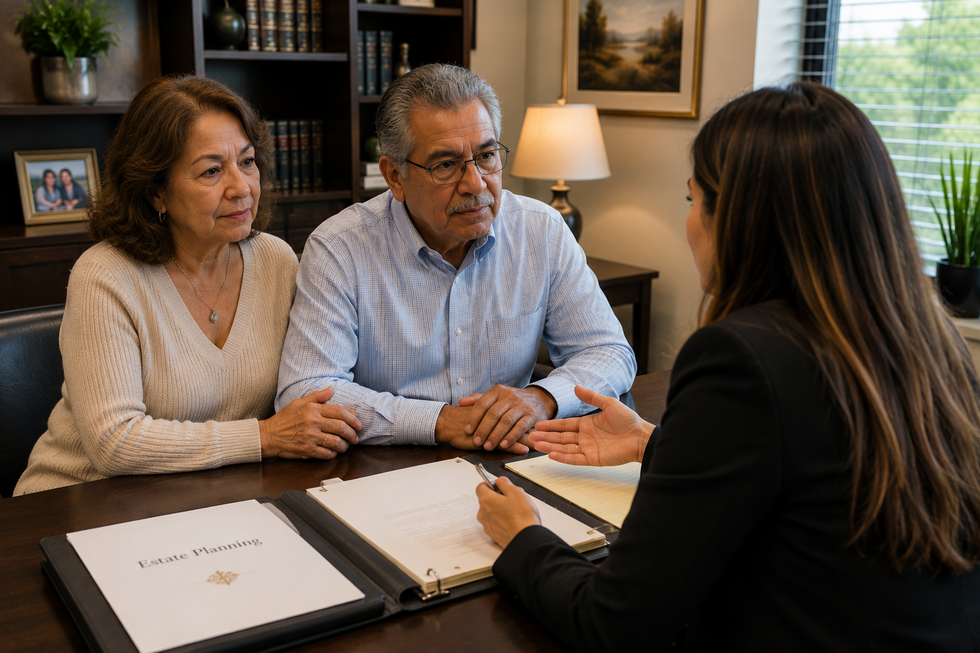
Every family is different, but many people keep their original trust in places such as:
- A home safe
- A fireproof document box
- A safe deposit box (subject to access rules; this can pose limitations in an emergency)
- Their estate planning attorney's office
- A secure digital vault
- A personal filing cabinet
Many attorneys also provide electronic copies for their clients to retain with their important records.
One of the simplest ways to help your loved ones is to tell them where your estate planning documents are stored.
How Do Beneficiaries Obtain a Copy After Someone Dies?
The answer often depends on who has possession of the trust.
The first people beneficiaries typically contact include:
- The successor trustee.
- The attorney who prepared the estate plan.
- A surviving spouse.
- The individual responsible for handling the decedent's affairs.
If the trust cannot immediately be located, reviewing the decedent's financial records, estate planning files, or correspondence with legal counsel may help identify where the trust was prepared and stored.
Do Beneficiaries Have a Right to See the Trust?
In many situations, yes.
Under Florida law, a trustee has important duties to keep qualified beneficiaries reasonably informed about the administration of the trust.
Depending on the circumstances, this may include providing beneficiaries with a copy of the trust or the portions of the trust that affect their interests, along with other information required by law.
Exactly who is entitled to receive information depends upon the trust, the beneficiaries involved, and the stage of trust administration.
Why Trusts Offer More Privacy Than Wills
One reason many families choose a revocable living trust is because it generally remains private.
When a will is admitted to probate, it typically becomes part of the public court file.
A revocable living trust, on the other hand, usually avoids becoming a public record simply because the creator passes away.
That added privacy can be especially important for families who wish to keep financial information and inheritance details out of the public eye.
What Happens If No One Can Find the Trust?
Losing the original trust can create unnecessary complications.
Although copies or electronic versions may still be useful in certain situations, locating the executed original is always preferable.
This is why I encourage clients to:
- Keep estate planning documents organized.
- Tell trusted family members where documents are located.
- Maintain updated contact information for their attorney.
- Review their estate plan periodically.
Simple organization today can save your loved ones considerable stress later.
Should You Keep a Copy Yourself?
Absolutely.
At Gold Legacy Law, PLLC, I encourage clients to keep both the original signed documents in a secure location and electronic copies in a safe digital format whenever appropriate.
Your successor trustee should also know where these documents can be located if they are ever needed.
Estate planning isn't just about creating documents—it's about making sure the right people can find and use them when the time comes.
Final Thoughts
One of the greatest advantages of a revocable living trust is that it generally remains aprivate legal document rather than becoming part of the public record. While that privacy is beneficial, it also means there is no government office where family members can simply request a copy after someone passes away.
Proper organization, clear communication, and thoughtful estate planning are essential to ensuring your loved ones can easily locate your trust when it is needed most.
At Gold Legacy Law, PLLC, I help individuals and families throughout Miami Lakes and South Florida create customized trust-based estate plans that not only protect assets but also simplify administration for future generations. Whether you are creating your first revocable living trust or updating an existing plan, taking the time to organize your documents today can provide lasting peace of mind tomorrow.
Disclaimer: This article is provided for informational purposes only and does not constitute legal advice. Reading this content does not create an attorney-client relationship between you and Gold Legacy Law. For legal advice regarding your personal situation, please contact our office to schedule a consultation.
