
When it comes to caring for someone who can no longer manage their personal, medical, or financial affairs, guardianship in Florida ensures that a responsible person is legally appointed to protect their interests. But families often ask: Can you have more than one guardian in Florida?
The answer is yes! Under certain circumstances, Florida courts allow more than one person to serve as guardian, known as a co-guardianship. However, this arrangement must be approved by the court and only if it's in the best interests of the person under guardianship, called the ward.
Understanding how co-guardianships work can help families make informed decisions with the guidance of a Florida guardianship attorney.
What Is a Guardianship in Florida?
A guardianship is a legal process where a court appoints a person (the guardian) to make decisions for another person (the ward) who has been deemed incapacitated. The guardian may be responsible for the ward's finances, health care, living arrangements, or other important matters.
Types of Guardianships in Florida
-
Guardian of the Person: Handles decisions about the ward's medical care, living situation, and personal welfare.
-
Guardian of the Property: Manages financial accounts, investments, and property owned by the ward.
-
Plenary Guardian: Has authority over both personal and financial matters.
-
Limited Guardian: Has authority in specific areas where the ward lacks capacity.
In some cases, one person can serve in both roles. In others, the court may appoint multiple people to share responsibility.
What Is Co-Guardianship?
Co-guardianship occurs when two or more people are appointed to act jointly as guardians for the same ward. This can apply to guardians of the person, guardians of the property, or both.
Florida Statute §744.312 allows courts to appoint co-guardians when it's in the ward's best interest. Typically, co-guardianship is considered when:
-
The ward's needs are complex and require more than one person's involvement.
-
The proposed co-guardians have a proven record of cooperation.
-
The court determines that shared responsibility will better serve the ward's well-being.
Common examples include:
-
Parents serving as co-guardians for a child with special needs.
-
Two adult children managing their parent's personal and financial care.
-
A professional guardian sharing responsibility with a family member.
How Co-Guardianship Works in Florida
Co-guardians share equal legal authority and must work together to make decisions regarding the ward. They must act jointly unless the court divides their duties.
Responsibilities of Co-Guardians
-
Making financial and health care decisions in the ward's best interests.
-
Keeping accurate records of all actions taken on behalf of the ward.
-
Submitting required annual reports and accountings to the court.
-
Communicating and cooperating with one another to avoid disputes.
If disagreements arise, the court may intervene or modify the guardianship arrangement.
Dividing Duties Between Co-Guardians
In some cases, the court may divide responsibilities. For instance:
-
One co-guardian might oversee medical and personal care.
-
The other might manage financial and property matters.
This structure allows each guardian to focus on specific areas of expertise while ensuring full oversight and accountability to the court.
Potential Challenges of Having More Than One Guardian
While co-guardianship can provide balance and shared responsibility, it can also lead to complications. Challenges include:
-
Disagreements over major decisions.
-
Delays in actions if both must approve every decision.
-
Confusion regarding financial management or reporting duties.
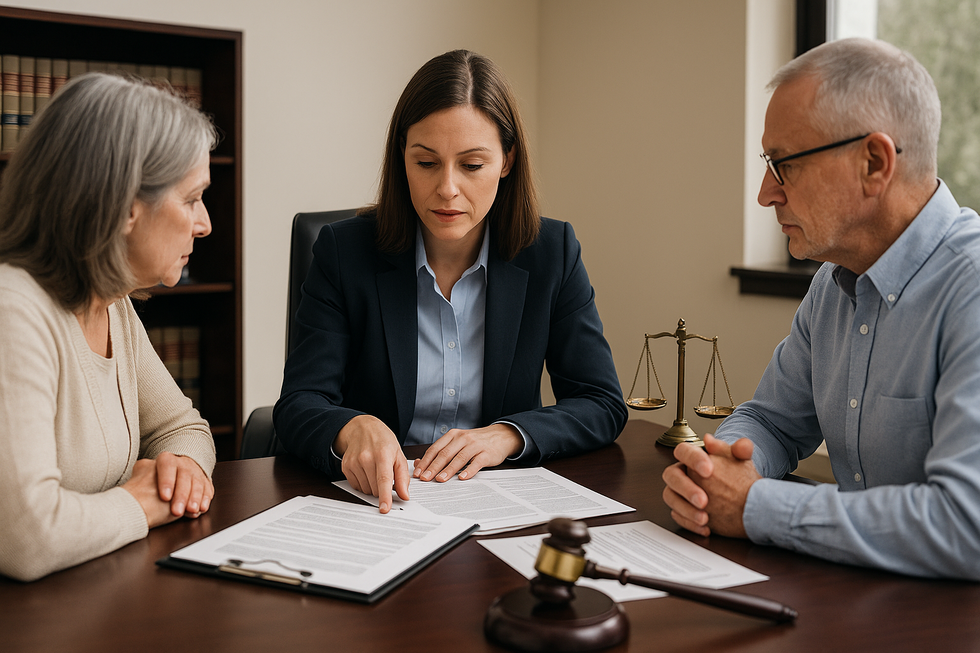
To prevent issues, courts prefer appointing co-guardians who demonstrate strong communication and cooperation skills. When conflict arises, the court may remove one or both guardians if it determines the arrangement no longer serves the ward's best interests.
Why You Should Work with a Florida Guardianship Attorney
Appointing multiple guardians involves more legal steps than a single guardianship. A Florida guardianship attorney can:
-
Evaluate whether co-guardianship is appropriate for your family.
-
Prepare petitions and supporting evidence for court approval.
-
Draft clear language defining each guardian's duties.
-
Help resolve disputes or compliance issues after appointment.
With proper legal guidance, families can create a co-guardianship structure that balances responsibility while ensuring protection and stability for their loved one.
Final Thoughts
Yes, you can have more than one guardian in Florida—but only when it truly benefits the person under guardianship. Co-guardianship can be an effective solution when the ward's needs are complex or when family members want to share caregiving duties. However, it requires clear communication, mutual trust, and court oversight.
If you're considering co-guardianship, consult a Florida guardianship attorney to help you navigate the process and design a structure that protects your loved one's well-being and complies with Florida law.
Disclaimer: This article is provided for informational purposes only and does not constitute legal advice. Reading this content does not create an attorney-client relationship between you and Gold Legacy Law. For legal advice regarding your personal situation, please contact our office to schedule a consultation.
